
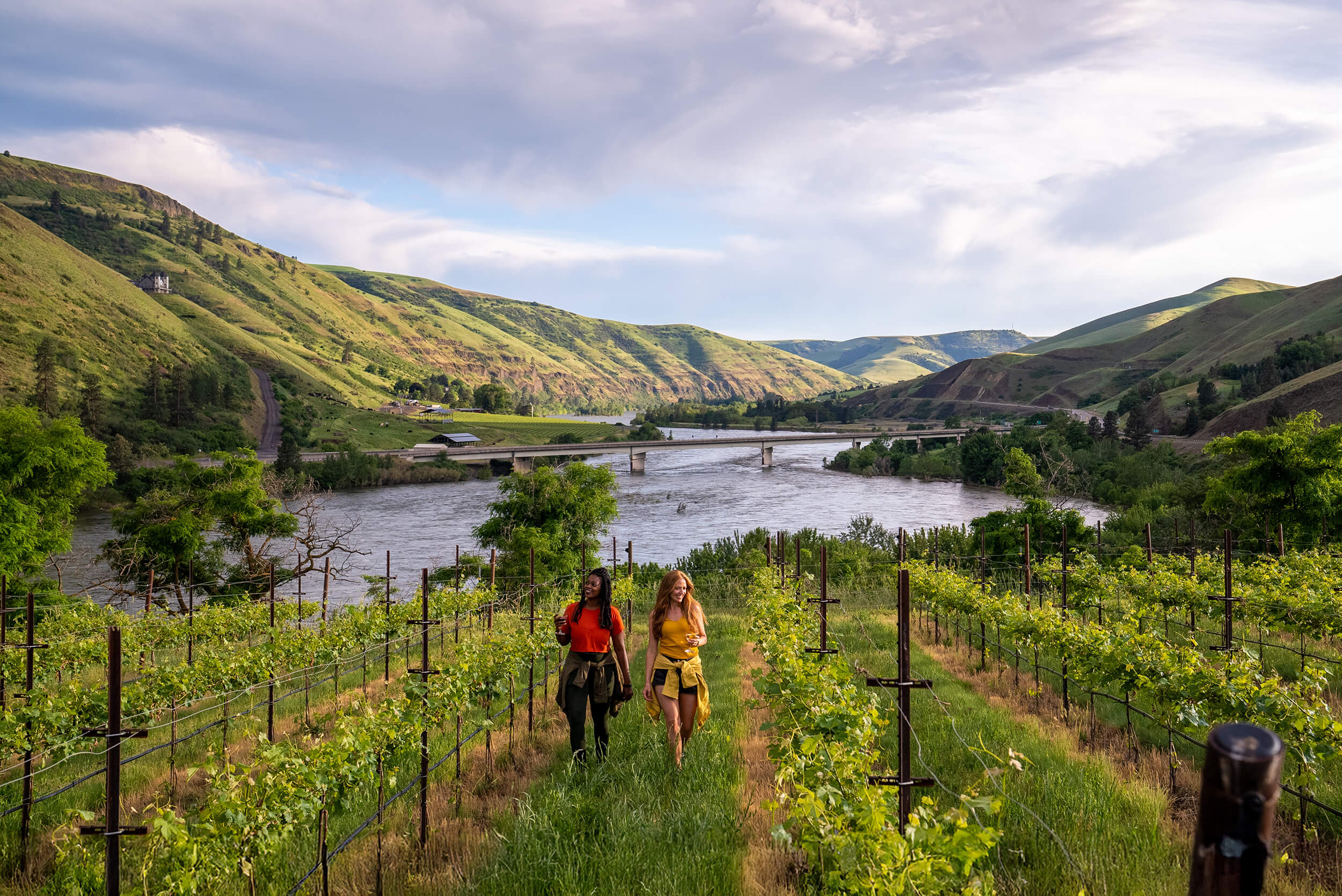
Savor the science behind Idaho’s award-winning wines
If you’ve ever had the pleasure of tasting Idaho’s wines, you already know they’re something special. But have you ever wondered what makes these award-winning varietals so marvelous? In truth, it boils down to Idaho’s climate and distinct geological features, which allow local winemakers to do what they do best. If you’re in the mood to geek out on grapes, pour yourself a glass and prepare to get to the root of Idaho’s unique wine-growing conditions.

It All Lines Up
Idaho’s grape-growing areas fall roughly on the same latitudes as some of the most famous wine regions in the world, including France’s Bordeaux and Rhône regions as well as the Rioja region in Spain. As a result, many of the grape varietals made popular in these regions—such as cabernet sauvignon, merlot, malbec and tempranillo—grow very well in Idaho due to the state’s elevation and dry climate.
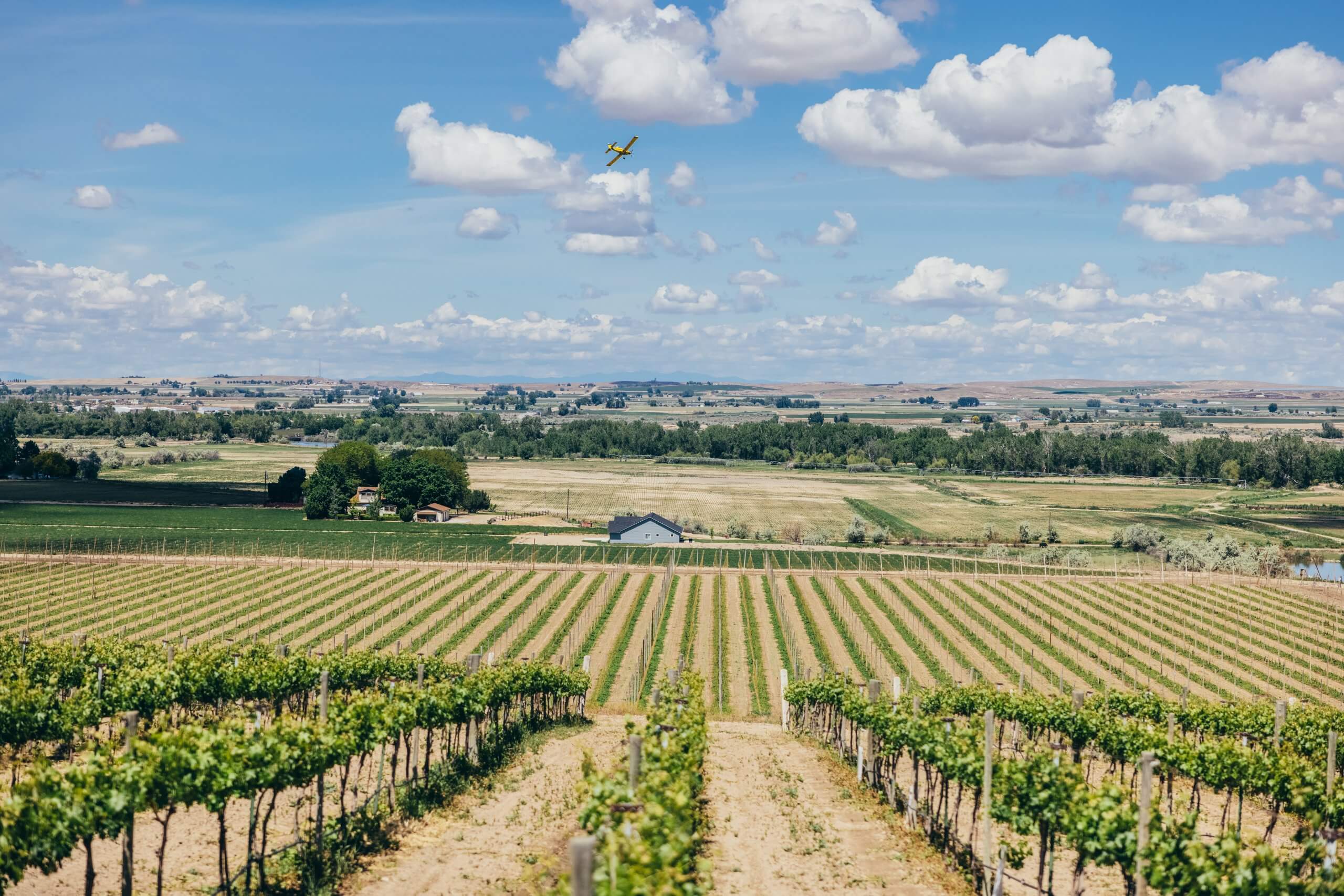
Distinct Seasons = Complex Flavor
Idaho’s characteristically cold winters are ideal for grape-growing, allowing the vines to go dormant while keeping the plants free of pests and disease. In summer, the combination of warm days and cool nights creates a harmonious balance between the grapes’ acids and sugars. The outcome? Wine with longevity and exquisite taste.
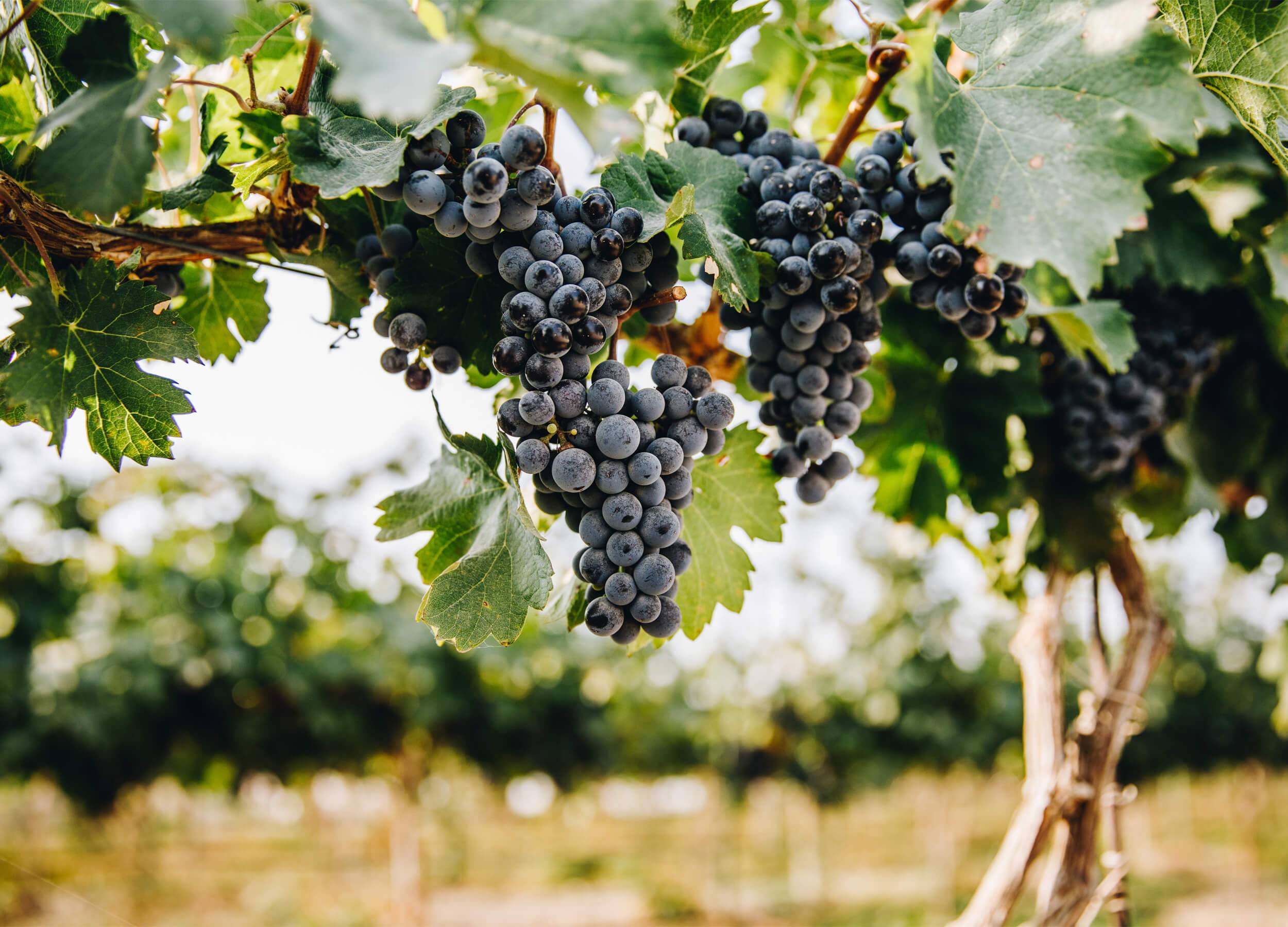
Soil of the Century
Between two and nine million years ago, Lake Idaho was formed, stretching over 200 miles and occupying much of the western Snake River Plain. At times, volcanic eruptions occurred beneath the ancient lake, producing basalt lava that flowed into the water itself. Eventually, the lake dried up, leaving behind nutrient deposits in the sediment within Snake River Valley, where the Sunnyslope Wine Trail is located today, just 30 minutes west of Boise. These nutrients, left over from many years of eruptions, have been preserbed due to the valley’s high desert environment. The resulting volcanic soil, along with the granite-rich earth found near the Idaho Batholith (a hulking mass of granite covering roughly 13,513 square miles of central Idaho), create ideal growing conditions for flavorful crops.
The soil throughout Sunnyslope is a mixture of sand, loam and scoria (a type of volcanic rock). This combination makes for excellent drainage, allowing the grape roots to absorb the right amount of water, thus producing plump, healthy clusters.
Feature image is credited to Visit Idaho.
Published on February 4, 2026