5 Must-Try Idaho Rock Climbing Spots
By Nate Liles

As an avid rock climber, I take great pride in climbing stewardship—replacing old anchors, training local climbing organizations on how to sustainably extract and switch out hardware and working with land managers to properly preserve climbing resources. I’ve also swapped out old bolts on hundreds of routes—mostly at popular, single-pitch cragging areas—and contributed to numerous guidebooks.
These five rock climbing spots in southern Idaho are my favorites—and ones that I keep returning to—because they offer a variety of climbs. Plus, the backdrop of rock formations soaring into the sky, curving grottos and waves of dark basalt simply never gets old.
City of Rocks National Reserve
City of Rocks, near Almo, not only offers excellent granite for climbing, but rich history and out-of-this-world landscapes, too. From easy top ropes to exhilarating and sparingly protected lead climbs, “The City,” as it’s known, always delivers, regardless of climbing ability.
The history of technical rock climbing at City of Rocks began in the 1960s, when the Steinfell Climbing Club—a group of climbers from Utah—started visiting the area and developed many routes that still challenge climbers to this day.
Most notable is the Crack of Doom at Morning Glory Spire, one of America’s most difficult free-climbing routes that earned the country’s first 5.11c on the Yosemite Decimal Rating System (a climbing scale used for rating the difficulty of walks, hikes and climbs). At the time, the 5.11c grade did not exist—the grading scale topped out at 5.9—so they called it 5.9+. Now, 5.11c is considered a hard-to-difficult technical and vertical climb, reserved for dedicated and well-practiced climbers.
Intermediate-level climbs include Wheat Thin at Elephant Rock, which is a traditional, single-pitch route with a rating of 5.7. Sport climbers should check out the multi-pitch Theater of Shadows at Steinfell’s Dome, which offers a rating of 5.7.
Best time to visit: spring, early summer and fall
GPS: 42.075864, -113.721219

Castle Rocks State Park
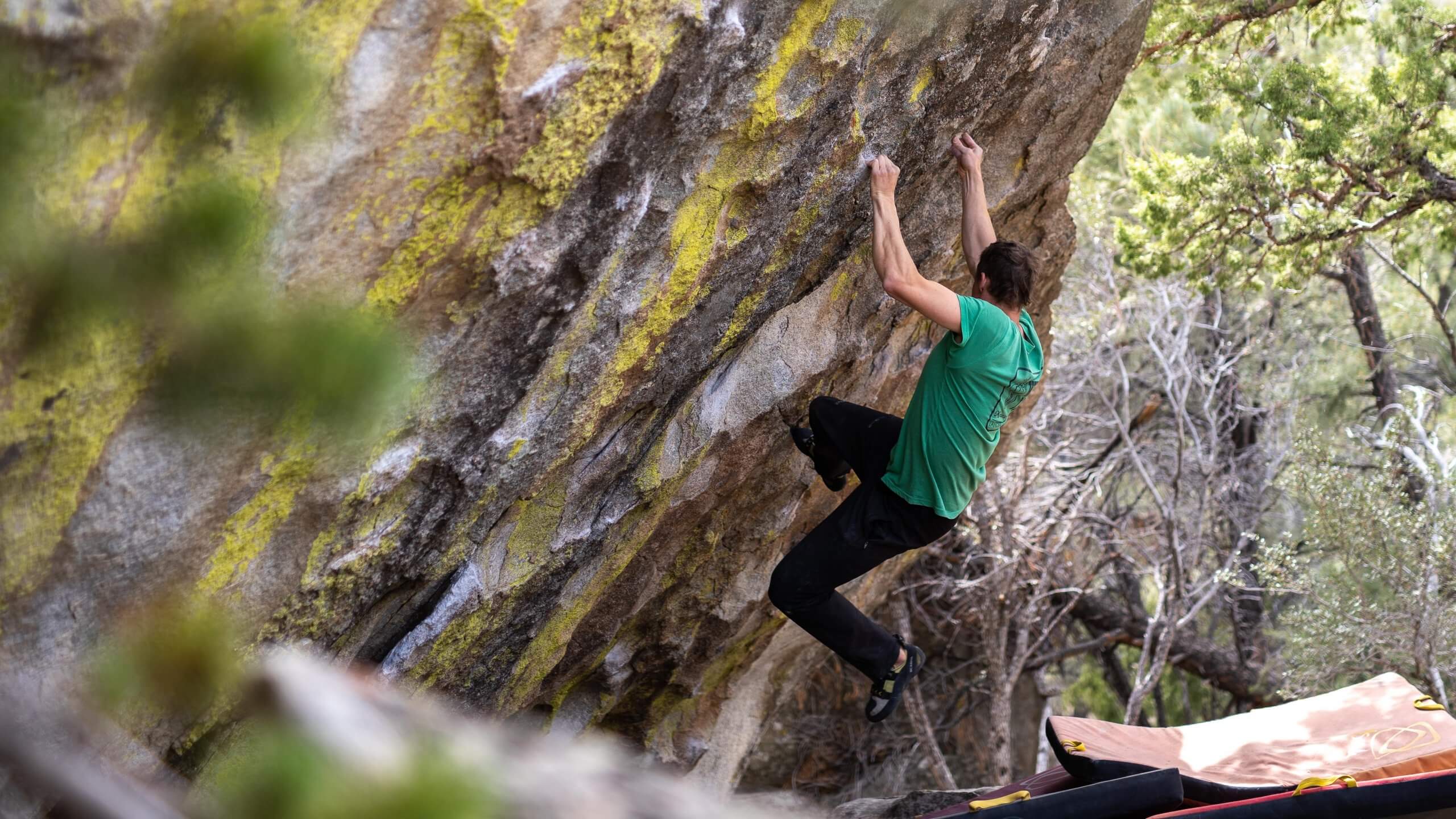
Composed of formations dating back 2.5 million years that resemble neighboring City of Rocks, Castle Rocks State Park’s lower elevation is more sheltered from inclement weather, making it a great option on colder days.
Because the park was opened in 2003 and its routes were developed more recently, you will generally find that climbs here are protected in a more “modern” way. Closer bolt spacing and generally high-quality hardware make this area more approachable for beginner and intermediate climbers. Be aware that some pitches will take more than one rope to get down, so always tie a knot in the end of your rope and have a plan for descending before you start climbing.
Indigenous people inhabited the area for thousands of years before immigrants arrived, so pictographs, historic trail crossings and 20th-century ranching practices can still be found today throughout the park.
Just five minutes from the historic town of Almo, this enchanting park offers unique lodging options, like a glamping yurt and historic ranch house, along with $7 day-use passes.
Best time to visit: spring and fall
GPS: 42.125503, -113.661276
Shoshone Lava Tubes
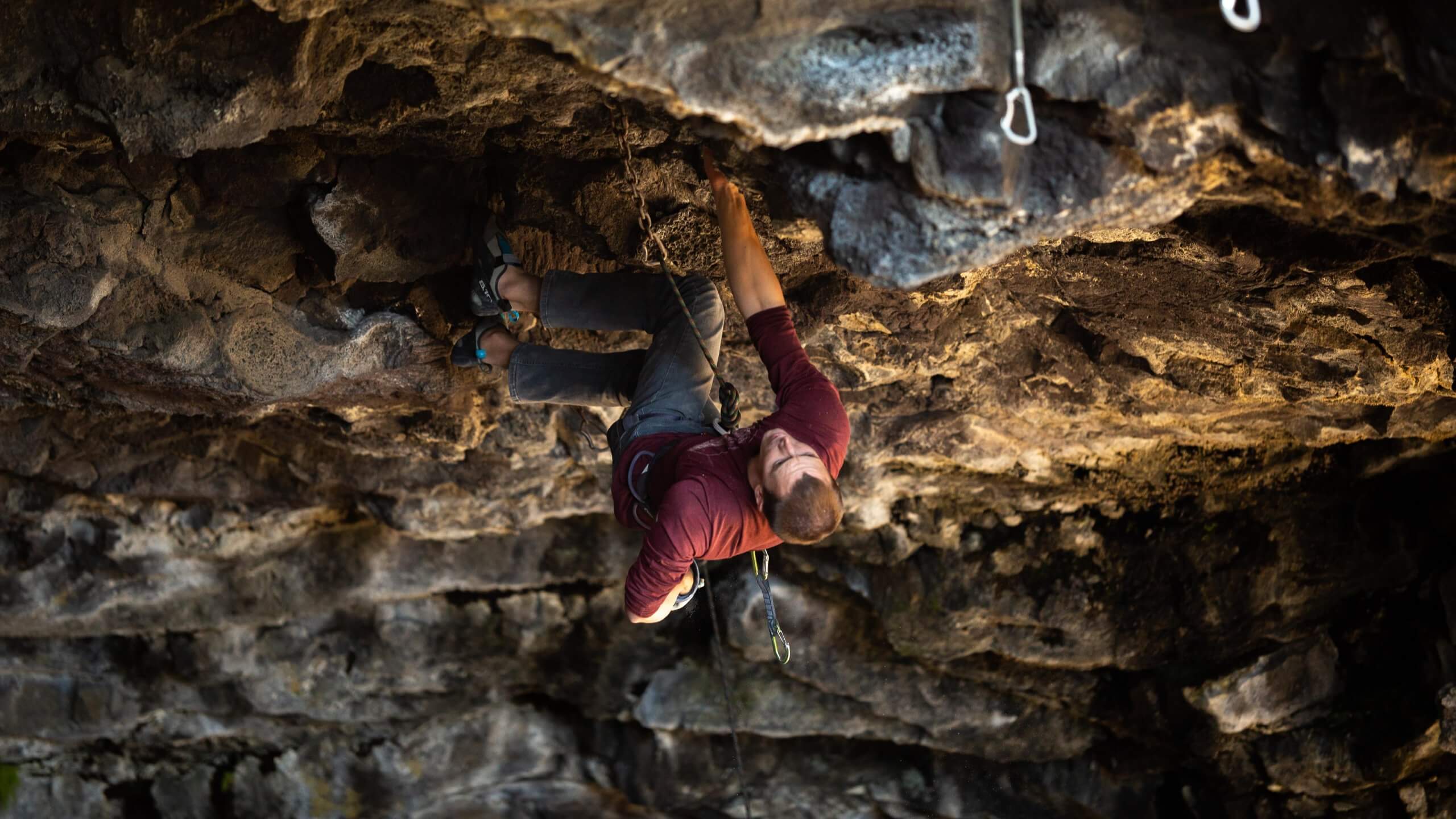
More of an arch than a tube, the Shoshone Lava Tubes is a unique sport-climbing area, resulting from the collapse of an ancient lava tube.
Located in Shoshone, this spot is best for experienced climbers. Expect extremely steep climbing out of a roof feature on mostly good holds. The crag, or small cliff, is equipped with high-quality fixed gear to make it easy to enjoy climbs without figuring out how to get your quickdraws back from the intense overhanging terrain. Please respect this community-supplied resource and leave all fixed gear in place.
When your arms get tired, be sure to take a tour of Idaho’s largest-known lava ice caves at Shoshone Ice Caves, located across Highway 75. Guided walking tours lead deep into the caves where experts explain its historical, geological and volcanic background.
Best time to visit: spring and fall
GPS: 43.155084, -114.317066
The Channel
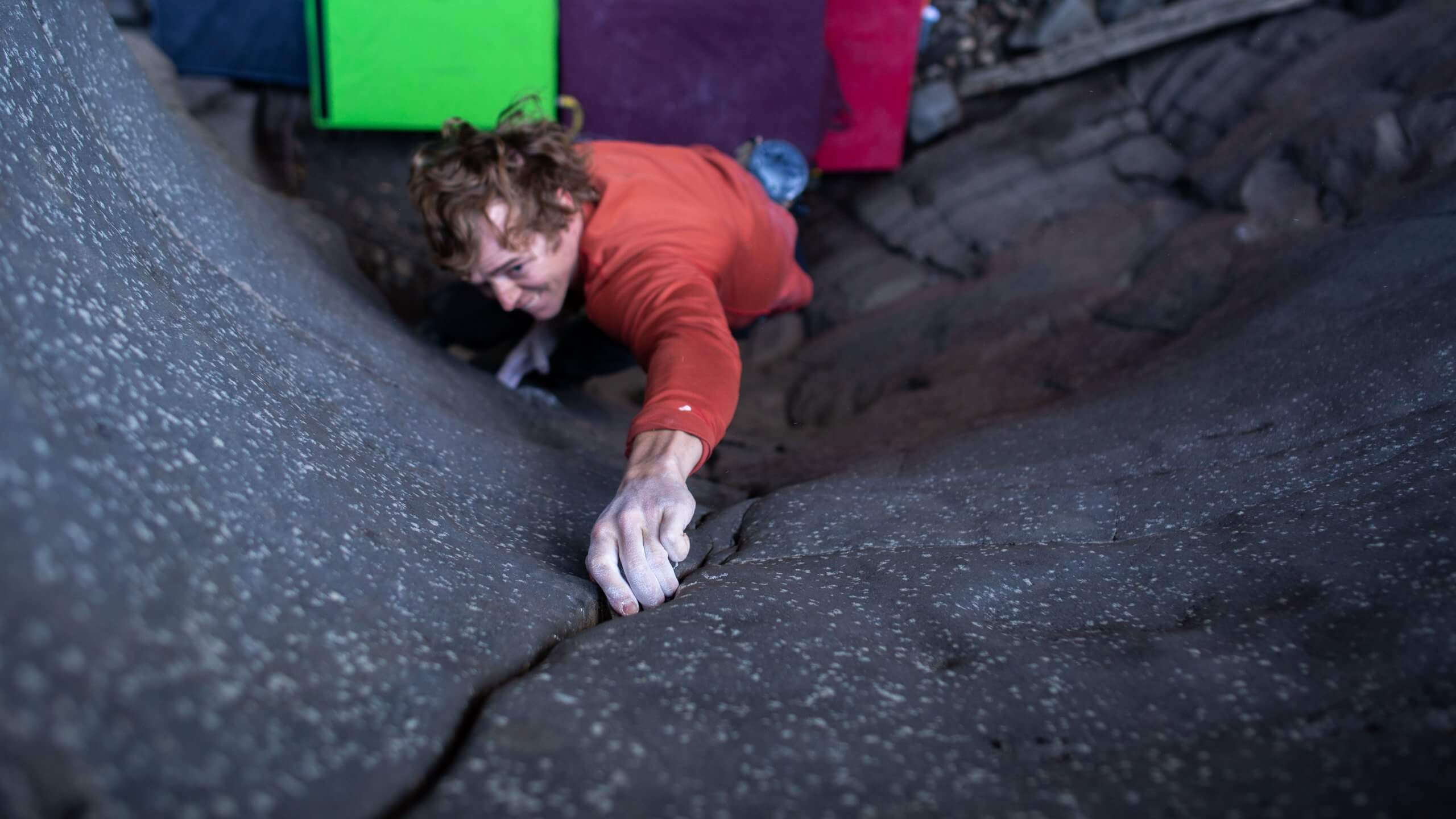
Located a short drive from the Shoshone Ice Caves is an unusual bouldering destination known as The Channel. This basalt playground is actually a diverted channel from the Big Wood River that wound its way through lava fields for thousands of years, leaving behind short, sculpted walls.
For most of the year, the bouldering area is flooded for irrigation purposes and can be dangerous to explore. Irrigation season typically runs mid-March through mid-October, which means water could be in the channels at any time. Once irrigation needs dwindle, The Channel will dry out and remain so through winter. As always, climb at your own risk.
Due to chalk washing off boulder problems—or paths—and the riverbed’s changing levels from water flow, The Channel is best approached with a sense of adventure, skill and discretion. Happy exploring!
Best time to visit: spring and fall
GPS: 43.191548, -114.324711
Dierkes Lake
The basalt cliffs surrounding Dierkes Lake in Twin Falls offer both roped climbing and bouldering for beginners and experts alike. Located just a mile up the road from magnificent Shoshone Falls, you will find the approaches short and easy. Plus, the flat, grassy landings make for great bouldering opportunities.
Dierkes Lake offers fishing, swimming, boating and hiking—all just a stone’s throw away from the excellent climbing. If you are not used to climbing on basalt, allow some time to get accustomed to the style, as it requires a variety of techniques due to the different types of holds and rock.
Best time to visit: fall, winter and spring
GPS: 42.594348, -114.392463
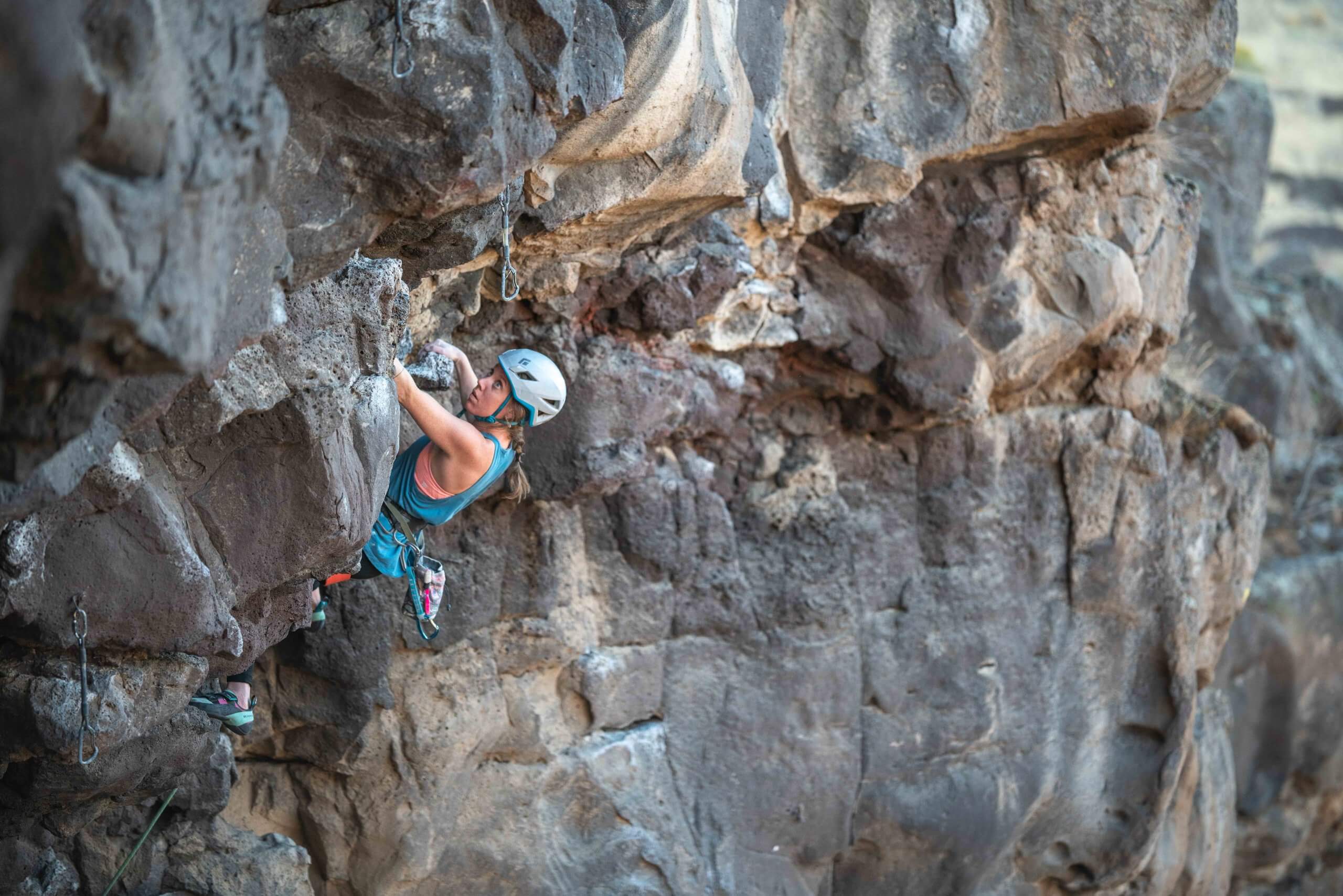
Whether you’re an experienced rock climber or new to the sport, make sure you are prepared before embarking on your next rock-climbing adventure in Idaho. Check the weather, dress accordingly, bring plenty of snacks and drinking water (plus water for drowning out campfires). And, as always, watch out for wildlife and Leave No Trace.
For new and experienced climbers, Sawtooth Mountain Guides offer guided rock climbs and peak ascents.
Additional Resources
For details on the 1,000-plus climbing routes and other great regional information, pick up Dave Bingham’s climbing guidebook: City of Rocks and Castle Rocks State Park, A Climber’s Guide. The Mountain Project also provides rock climbing guides, routes and forums.
Nate Liles is a photographer and videographer who travels between climbing areas in the Western U.S. He is passionate about sharing the art he creates and stewarding the areas he loves by maintaining climbing resources and working with local land managers.
Updated November 2025.
Published November 2021.
Want More? Get Your Free Idaho Travel Guide.