At 115 Years and Counting, The War Bonnet Round Up Captures The Nostalgia of the American West
Originally published in the 2026 Idaho Travel Guide
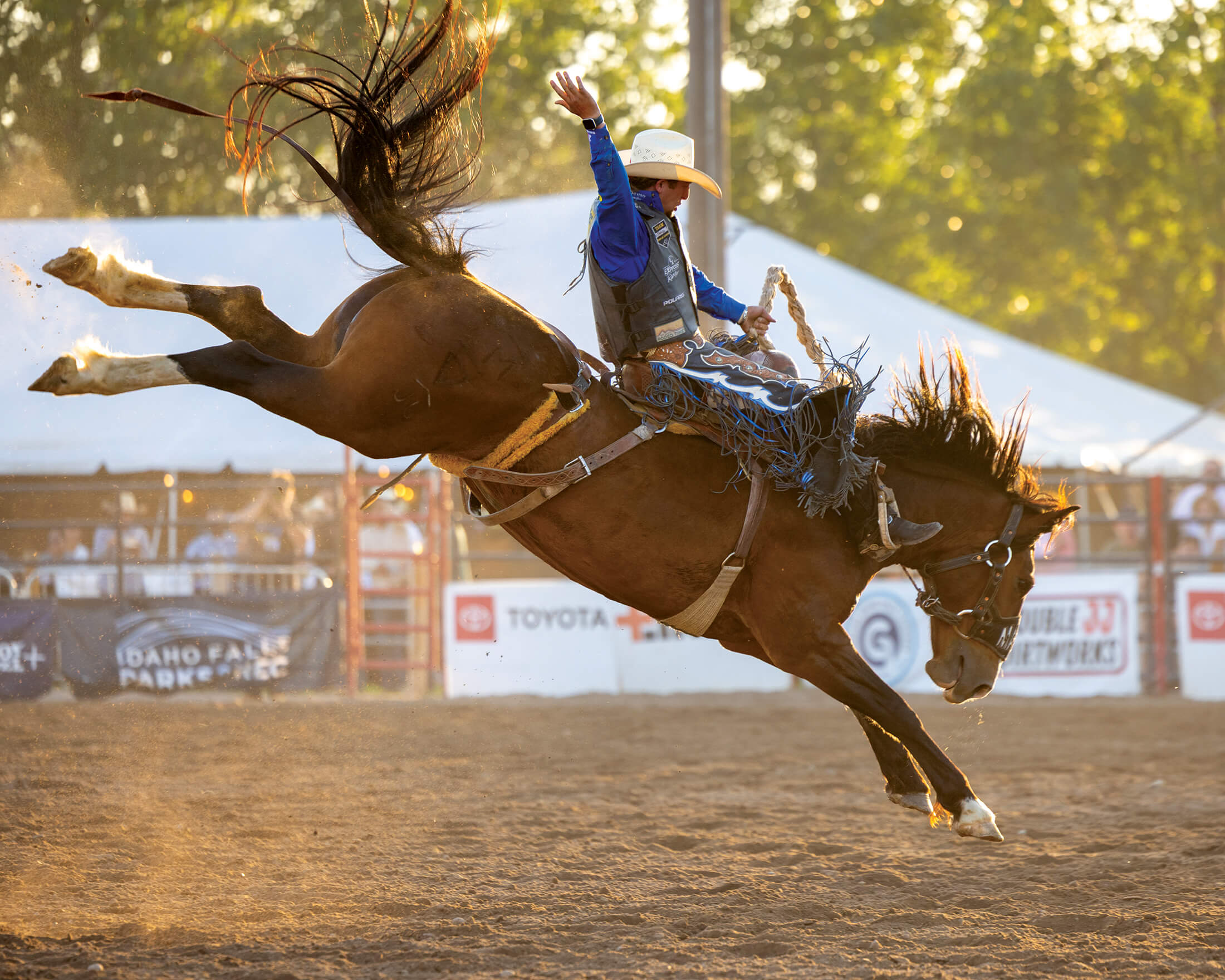
The War Bonnet Round Up, held annually in Idaho Falls during the first weekend of August, captures the essence of the American West. Its colorful history, cultural significance and community-focused atmosphere make it a must-visit event for anyone interested in understanding the true spirit of Western horsemanship. Whether you’re a seasoned rodeo enthusiast or a first-time attendee, the War Bonnet Round Up offers an authentic and unforgettable experience that celebrates Idaho’s traditions, values and heritage.
Early Roots
The rodeo’s name pays homage to the region’s Native American culture. Afton Boam Dale, author of History of the War Bonnet Round Up, 1911-1967, explains:
“The name was chosen in honor of Chief War Bonnet and his Shoshone–Bannock Tribes. In the early 1800s, the tribes gathered on the shores of Bear Lake in Idaho to ‘round up’ wild horses and break them for their needs. A cattle company first adopted the name. Later, it became the title for the famous roundup, which, since 1912, has brought thousands of thrilled spectators a living pageant of the fading past.”
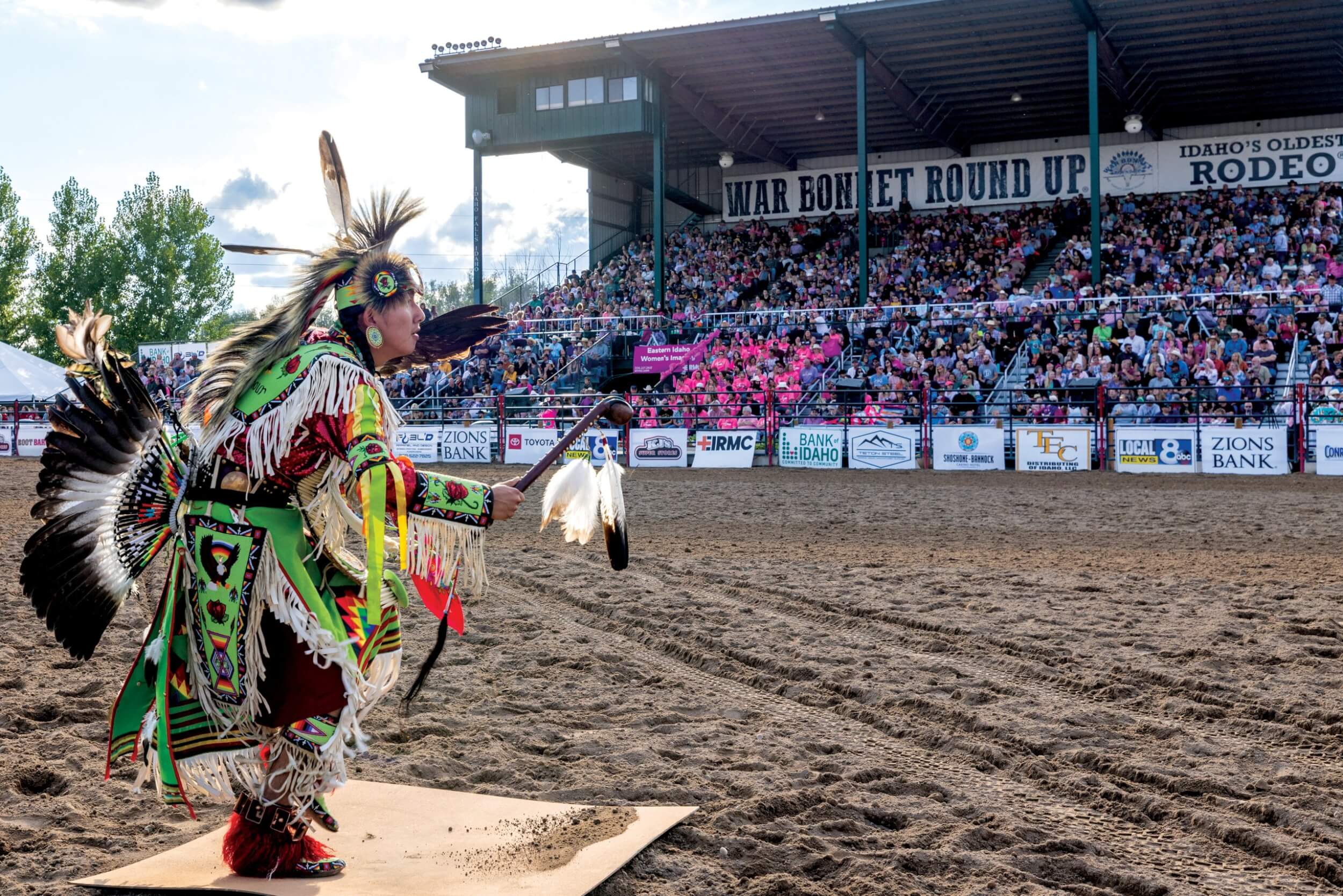
The Shoshone–Bannock Tribes, which have lived in the area for centuries, have a deep connection to the land. The inclusion of many Native American cultural elements in the roundup honors their important contributions to the region’s identity. Traditional races, dances and ceremonies are performed during the event, providing an opportunity for attendees to learn about the powerful cultural legacy of the region’s Indigenous people.
“Idaho became a state in July 1890. On August 26, 1891, the name of the young town of Eagle Rock was changed to Idaho Falls,” Dale states. “In the year 1908, a fair was inaugurated by civic leaders. This same year also saw a local exhibition of Buffalo Bill’s Wild West Show. The fair continued without much success until 1911.”
In 1911, new events were added to the fair, including the celebrated and still-highly competitive Indian Relay—a 12-horse, four-team relay race, in which brave competitors leap from one moving horse to another while racing around an arena bareback. Local interest, along with attendance, ballooned.
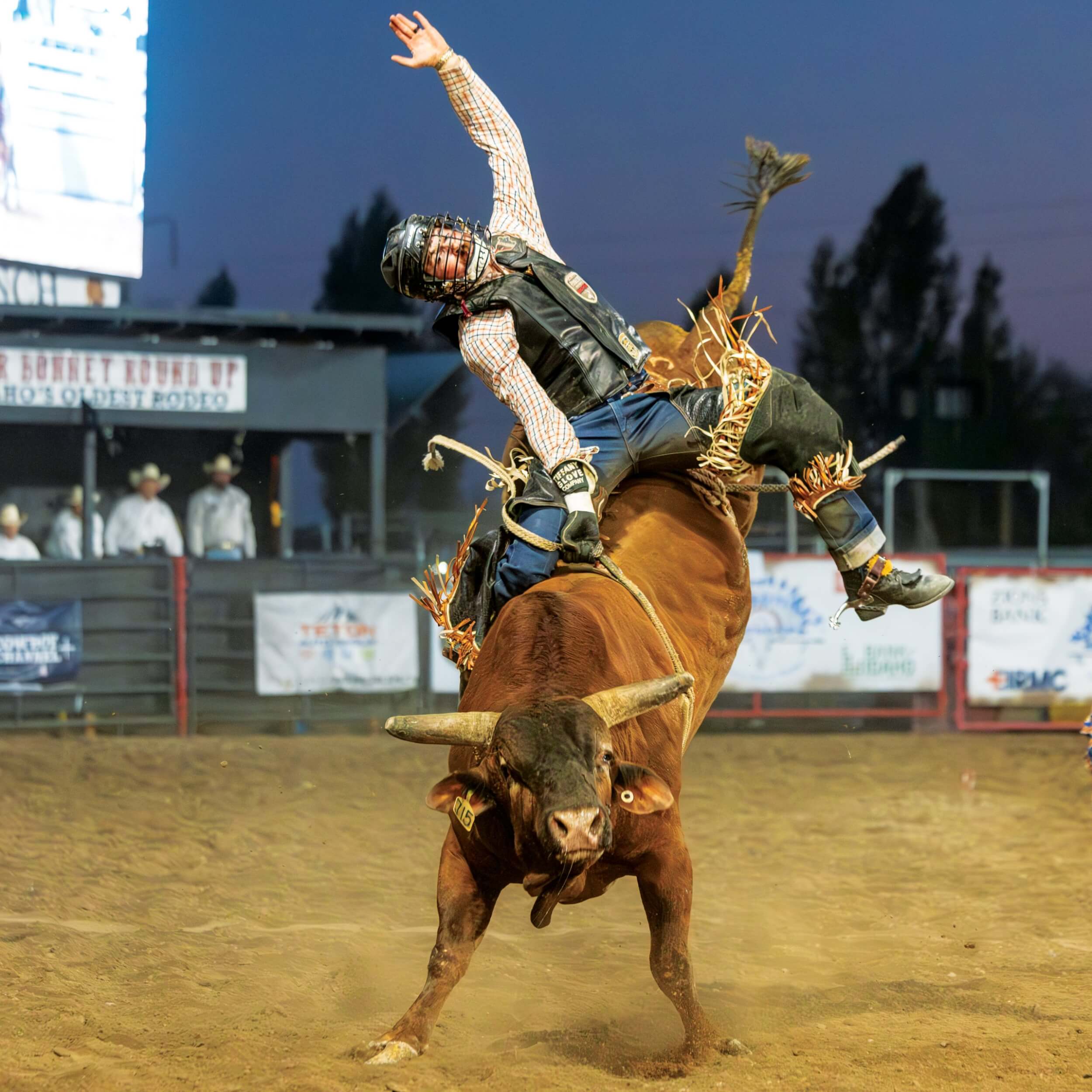
The following year, the first officially titled War Bonnet Round Up took place at Idaho Falls’ Reno Park. While it was Idaho’s oldest rodeo, it ranked behind the Cheyenne and Pendleton round ups in attendance and ratings with rodeo associations. However, the War Bonnet Round Up’s prize money was more than the other two combined, so it quickly became a competitive hot spot and hosted rodeo stars who would become legends of the American West.
The early list of competitors included famous cowboys, such as Everett Colborn, Slim Wager, Buffalo Vernon and Stub Farlow, and also cowgirls, like the world champion bronc rider Nancy Price, famed trick-and-bronc rider Bonnie McCarrol and Annie Moran, who jumped her horse White Eagle off of a 35-foot platform into a nine-foot tank of water at the 1912 event. There were also African American cowboys, like Snowball Johnson, and the Nez Perce cowboy, Jackson Sundown, winner of the 1916 Pendleton Round Up championship at the age of 50. Many early rodeo fans considered Sundown the greatest bareback and saddle bronc horse rider of all time.
The War Bonnet Today
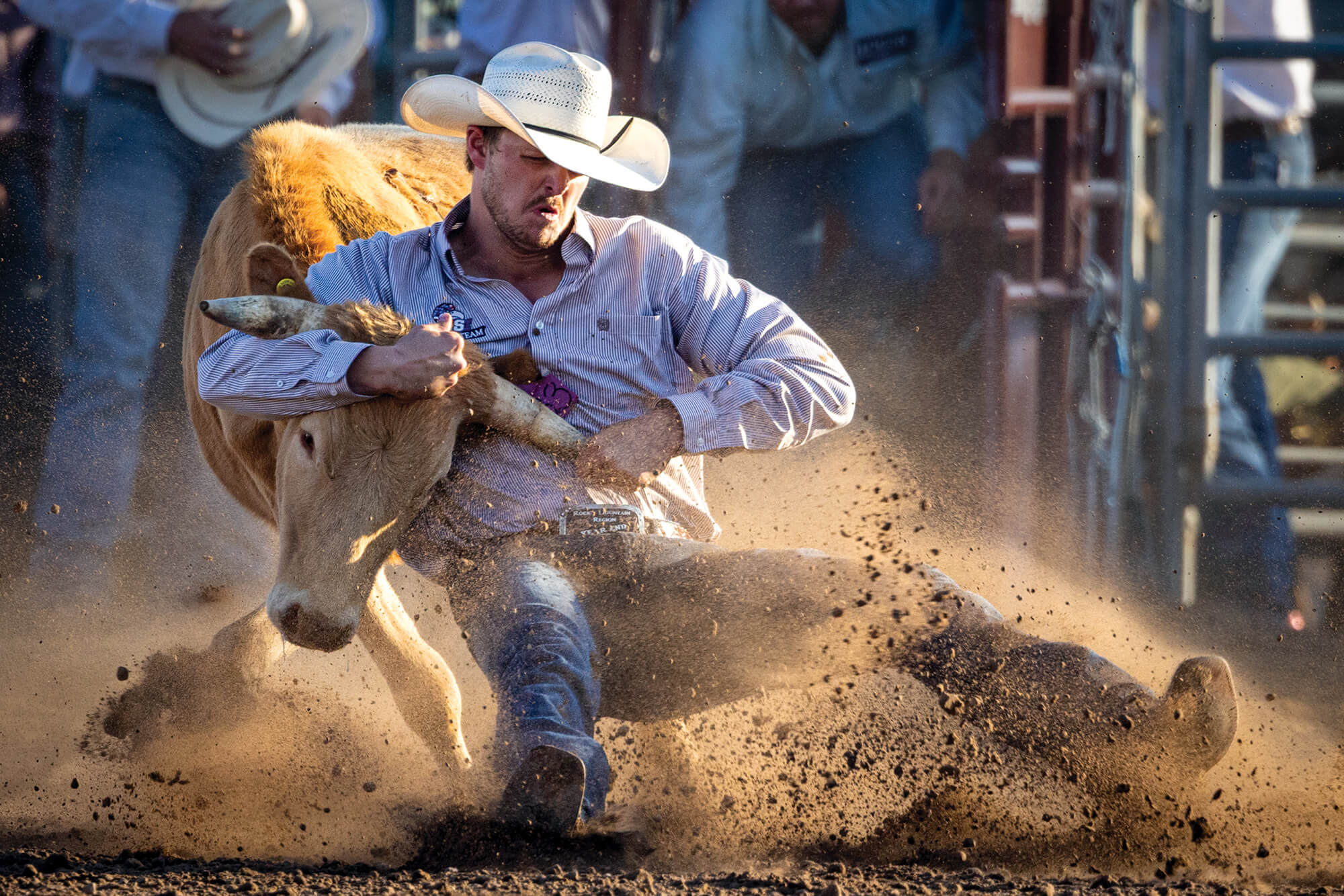
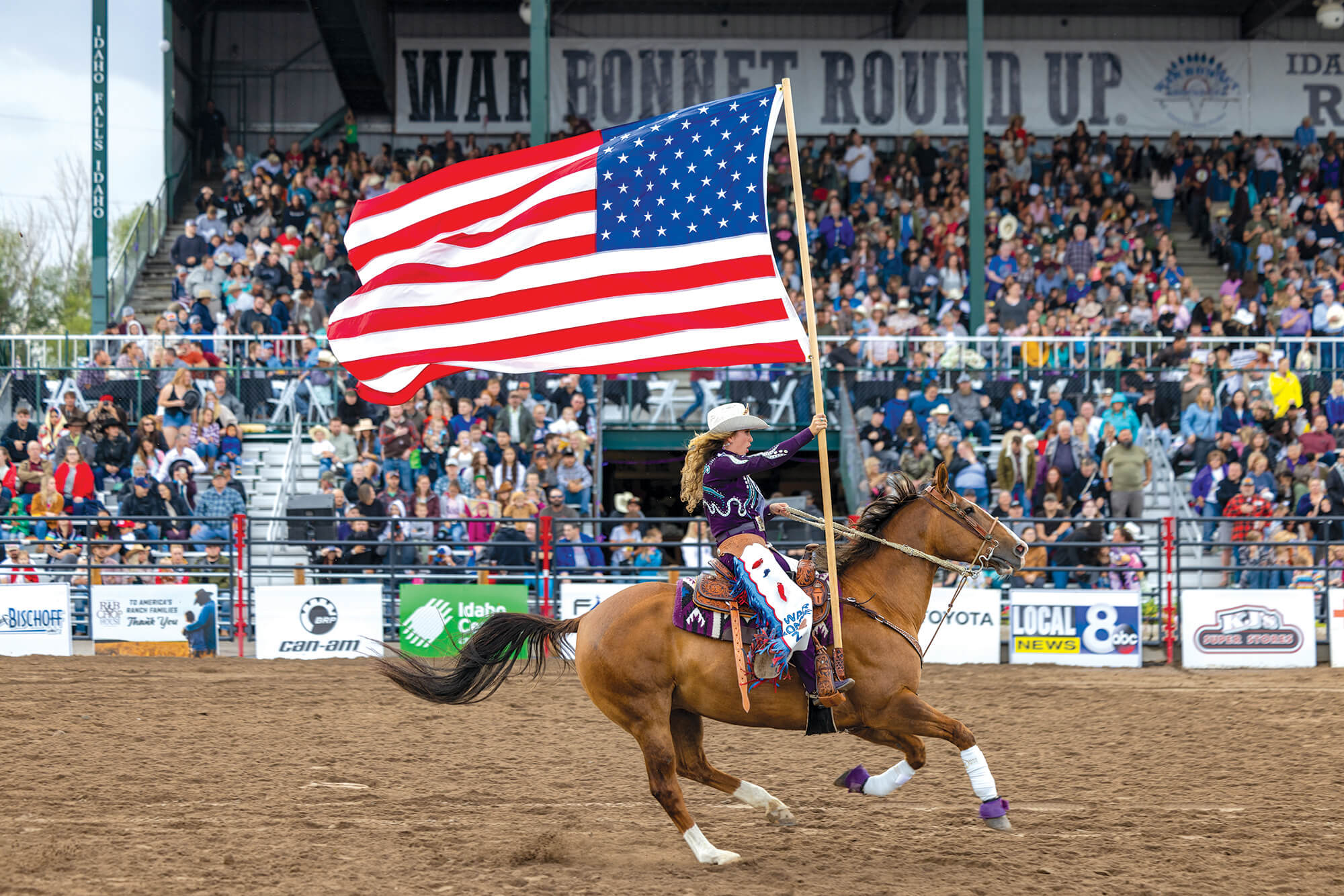
Born from this cultural kaleidoscope of the Old West, today’s War Bonnet Round Up is a modern rodeo event that embodies the prismatic spirit of the American West. Featuring activities that highlight the region’s history and culture, the rodeo includes parades, live music performances and traditional Native American dances.
Over the years, the War Bonnet Round Up has remained true to its roots. Traditionally held during the first weekend of August to coincide with the region’s harvest season, the rodeo still encourages local farmers and ranchers to take a break from their labor-intensive work and enjoy the festivities. The event has grown in size and scope, attracting professional rodeo athletes from around the world who compete for prize money and prestige.
One of the most distinctive aspects of the War Bonnet Round Up is its emphasis on community involvement. The rodeo is, and always has been, a family-friendly event for people of all ages and backgrounds. It serves as a gathering place where old friends reunite and new friendships are forged. The sense of camaraderie and shared purpose is palpable, creating an atmosphere that is both welcoming and exhilarating.
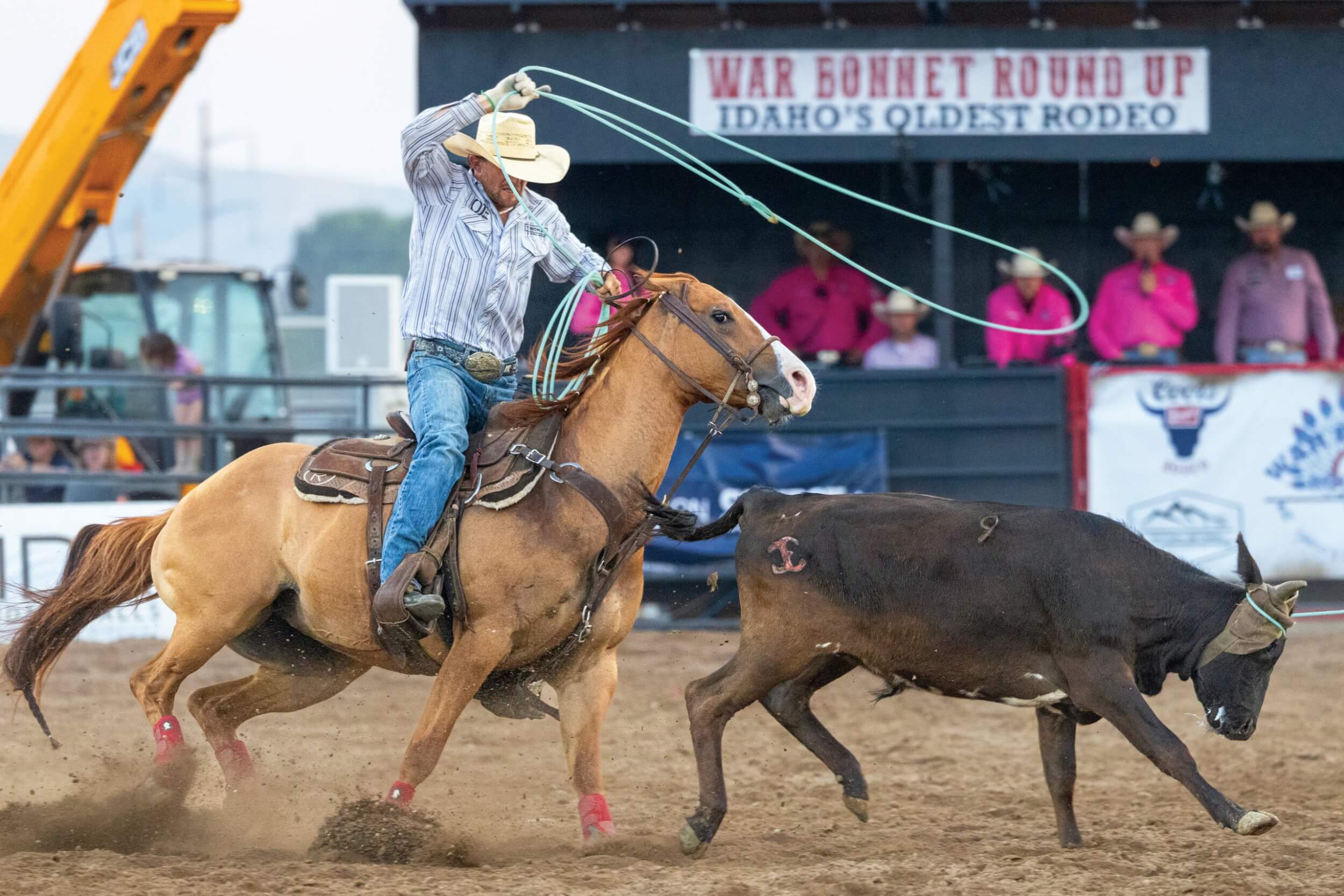
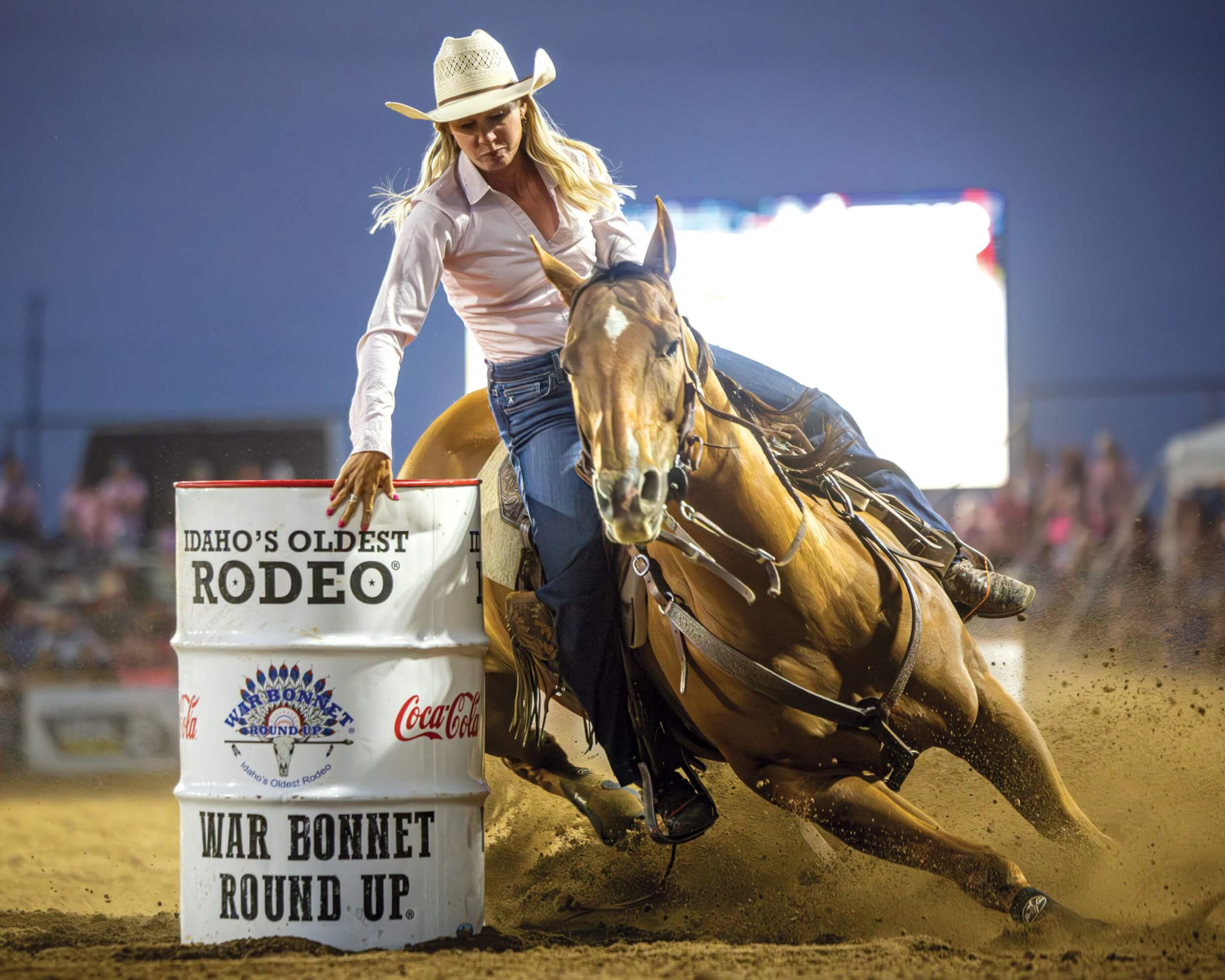
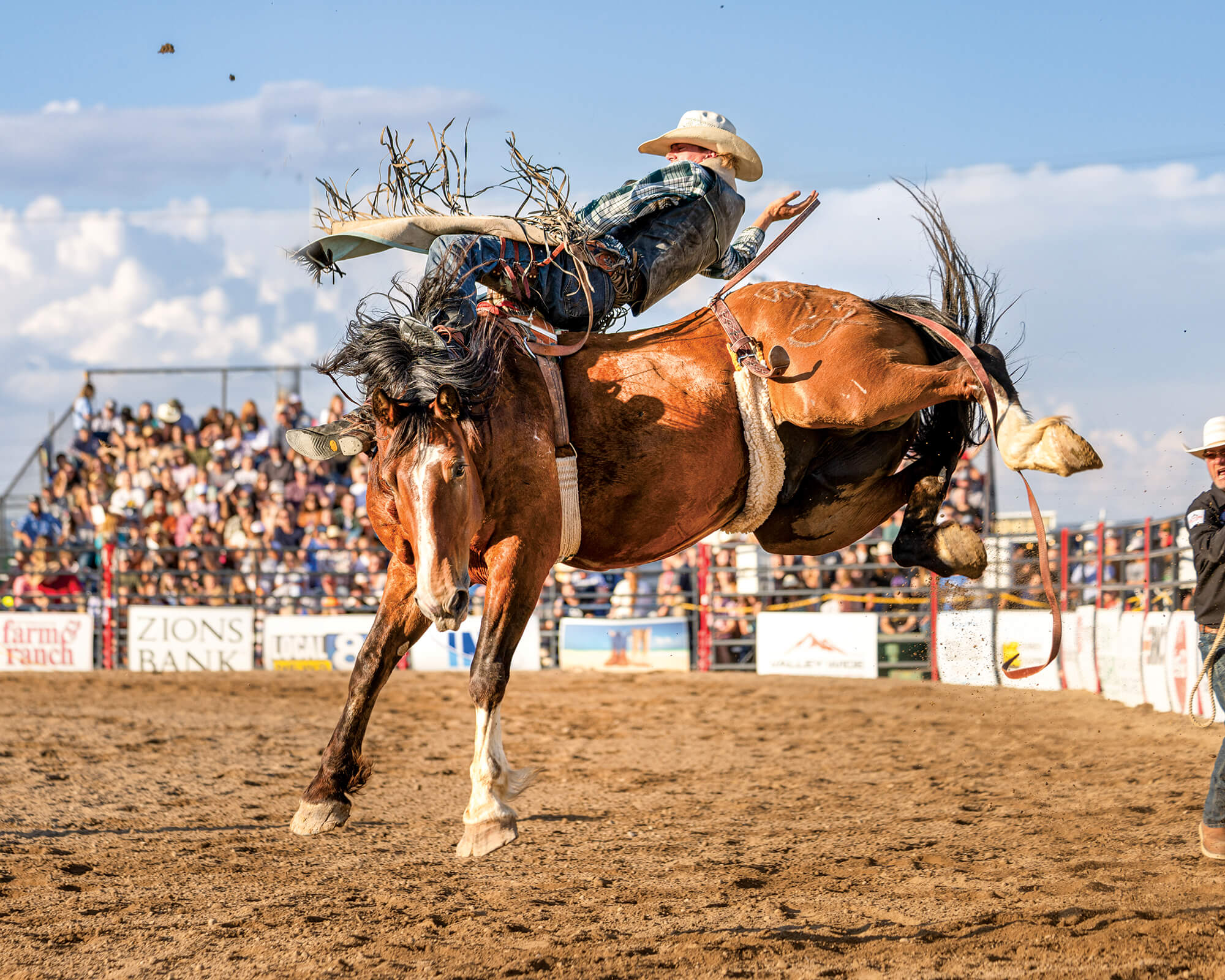
In recent years, the War Bonnet Round Up has embraced modern elements, incorporating entertainment and attractions to appeal to a broader audience. While core rodeo events, such as bronc and bull riding, team roping and barrel racing, remain the highlights, attendees can also enjoy carnival rides, kids’ games, concerts and exhibits showcasing the latest advancements in agricultural technology. This blend of tradition and innovation ensures that the rodeo engages new generations.
More than just a rodeo, the War Bonnet Round Up is a celebration of a way of life that is deeply ingrained in the fabric of the American West. It is a testament to the enduring spirit of the cowboy and cowgirl, the resilience of the local community and the cultural heritage that defines the region. As the rodeo continues to evolve and grow, it remains a beloved Idaho tradition that brings people together to honor the past, celebrate the present and look forward to the future.
Raised in the mountains of Idaho, Doucette is a lifelong skier, kayaker, enthusiastic surfer and award-winning journalist whose work has been published in Rolling Stone, Men’s Journal and Dossier, among others.
Feature Image: War Bonnet Round Up, Idaho Falls. Photo credit: Michael Pintar.
Published on February 4, 2026